Managing your Raspberry Pi remotely from a Mac is a fundamental skill for any IoT enthusiast. By using SSH (Secure Shell), you can control your device’s terminal, deploy code, and monitor performance without needing a dedicated keyboard or monitor attached to the Pi. For Mac users, the process is streamlined because the Terminal application comes pre-installed, requiring no additional paid software.
Setting Up SSH on Your Raspberry Pi
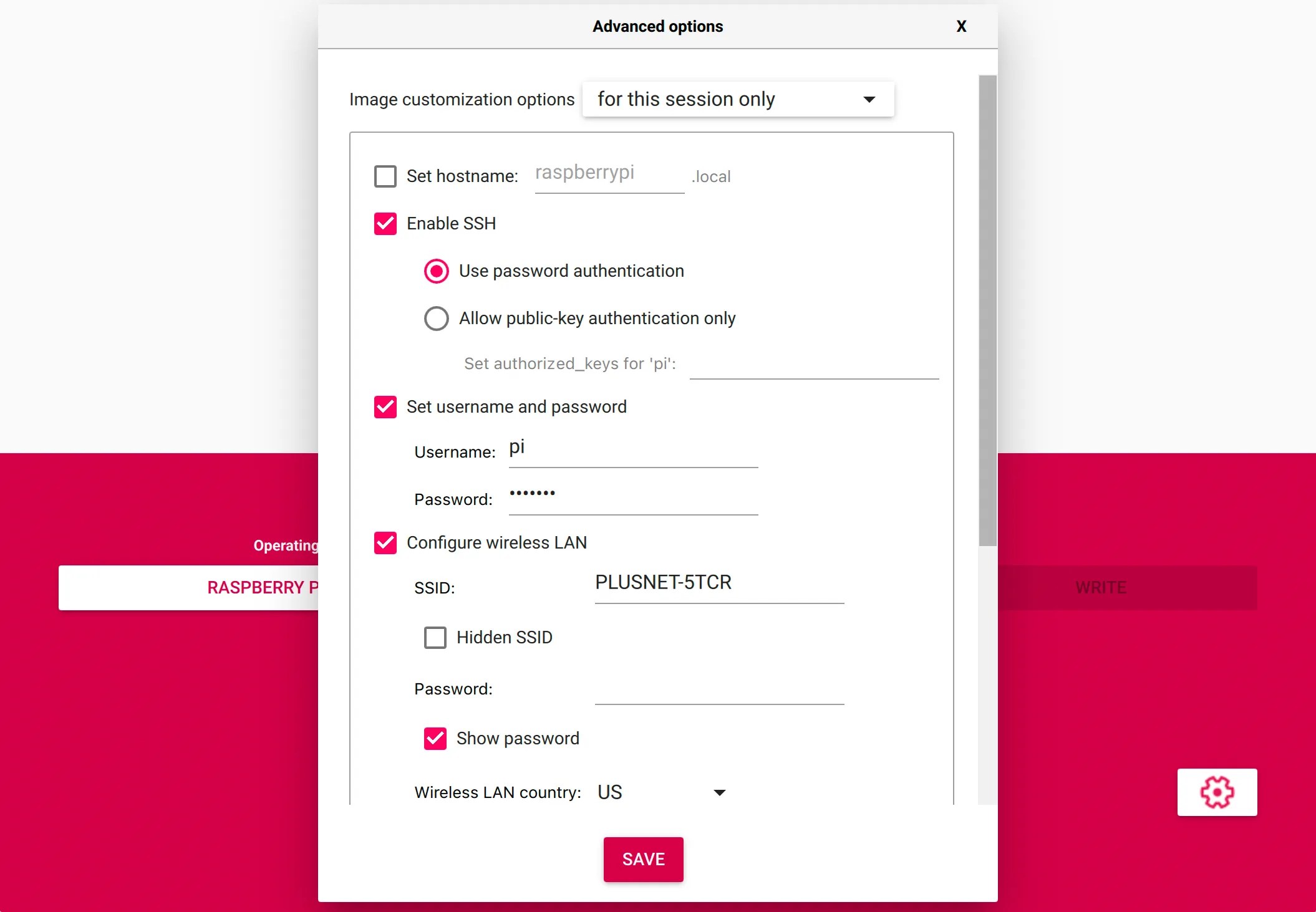
To begin, ensure your Raspberry Pi is connected to your local network. If you are using Raspberry Pi OS, the easiest way to enable SSH is by creating an empty file named "ssh" (no extension) in the boot partition of your SD card before inserting it into the device. Alternatively, if you have access to the desktop, navigate to the Raspberry Pi Configuration tool in the Preferences menu and toggle SSH to "Enabled."
Connecting via macOS Terminal
Once SSH is enabled, open the Terminal app on your Mac. Type the following command, replacing "raspberrypi" with your device's hostname or its local IP address:
ssh pi@raspberrypi.local
If this is your first time connecting, you will be prompted to accept the host’s fingerprint. Type "yes" and enter your password. That is it—you now have full command-line access to your IoT device.
Why Keep It Free?
While there are various GUI-based remote desktop tools available, native SSH is the gold standard for IoT development. It is lightweight, secure, and consumes virtually zero system resources on your Mac. By mastering these native tools, you avoid unnecessary subscription fees and bloatware, ensuring your development environment remains fast, efficient, and entirely under your control.
Related Posts: