The Anatomy of Conflict: Decoding Biggie’s "What's Beef"
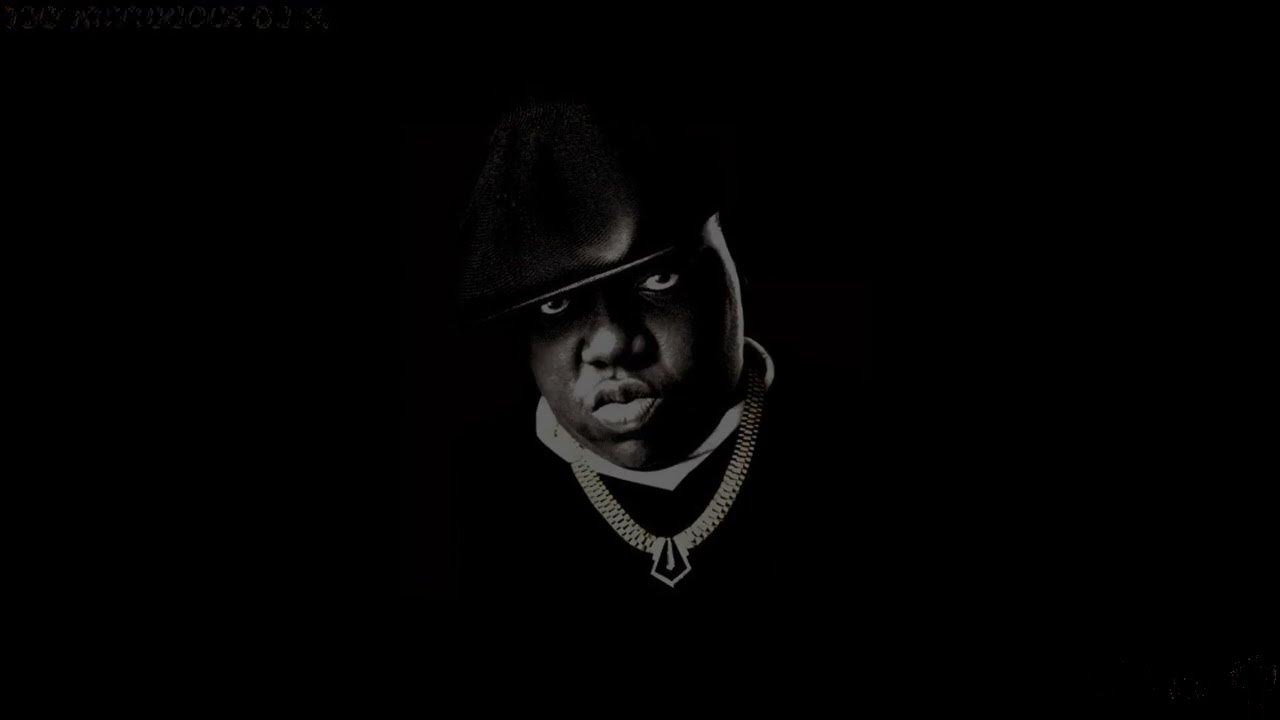
Released on his seminal 1997 album Life After Death, The Notorious B.I.G.’s "What's Beef?" remains one of the most profound lyrical explorations of urban conflict in hip-hop history. While the term "beef" had become synonymous with rap rivalries by the mid-90s, Biggie Smalls moved beyond the surface-level posturing of the era to provide a philosophical breakdown of what it actually means to be in a state of war.
Beyond the Streets: The Deeper Meaning
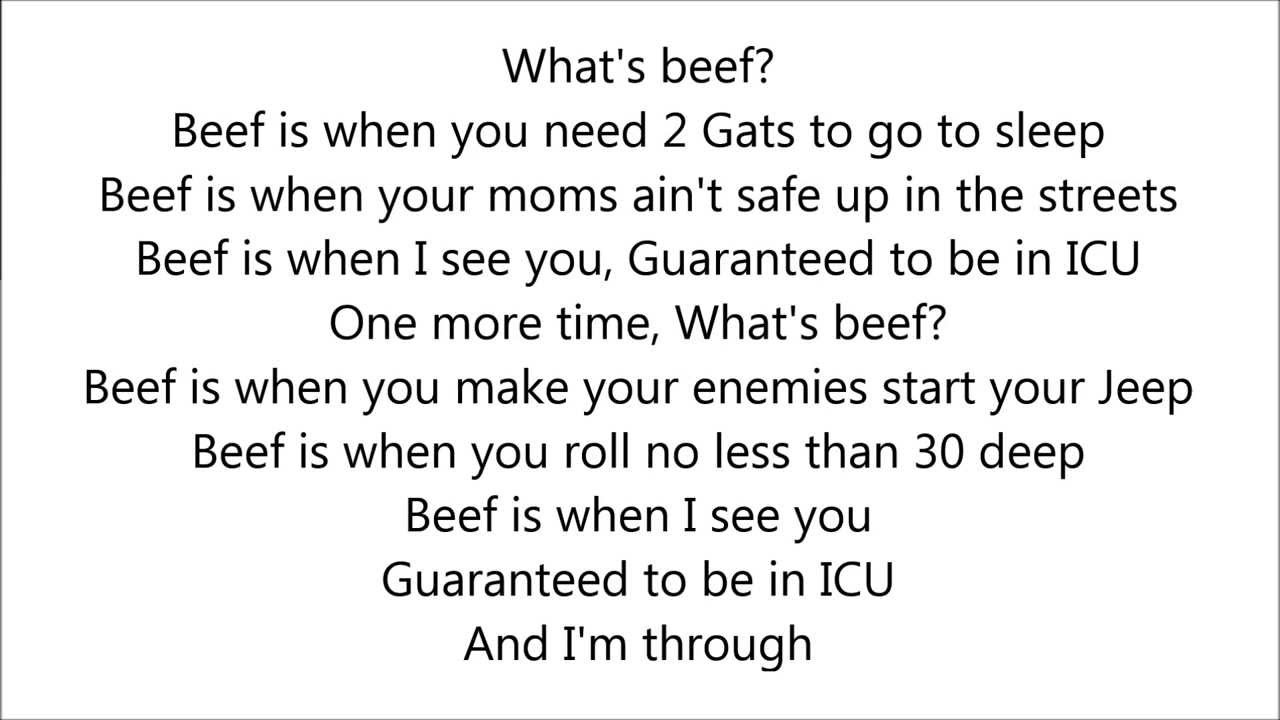
Biggie’s brilliance lies in his ability to deconstruct the volatile nature of hostility. He famously raps, "Beef is when you need two gats to go to sleep / Beef is when your moms ain't safe up in the street." By defining beef not as a lyrical spat, but as a life-altering, inescapable paranoia, Biggie highlighted the heavy psychological toll of street violence. He characterized beef as something that requires constant vigilance, transforming the lives of those involved into a state of perpetual anxiety where "you can't sleep."
The Cultural Impact
The track serves as a somber reflection on the rising tensions that defined the East Coast-West Coast divide. By stripping away the glamour often associated with gangster rap, Biggie forces the listener to confront the reality of the stakes. His delivery is methodical and haunting, serving as both a cautionary tale and a stark admission of the environment he navigated. Decades later, "What's Beef?" stands as a timeless piece of social commentary. It reminds audiences that behind every diss track or public feud lies a human cost, cementing Biggie’s legacy as more than just a rapper—but as a keen observer of the complexities of life in the inner city.
Related Posts: